Quartz
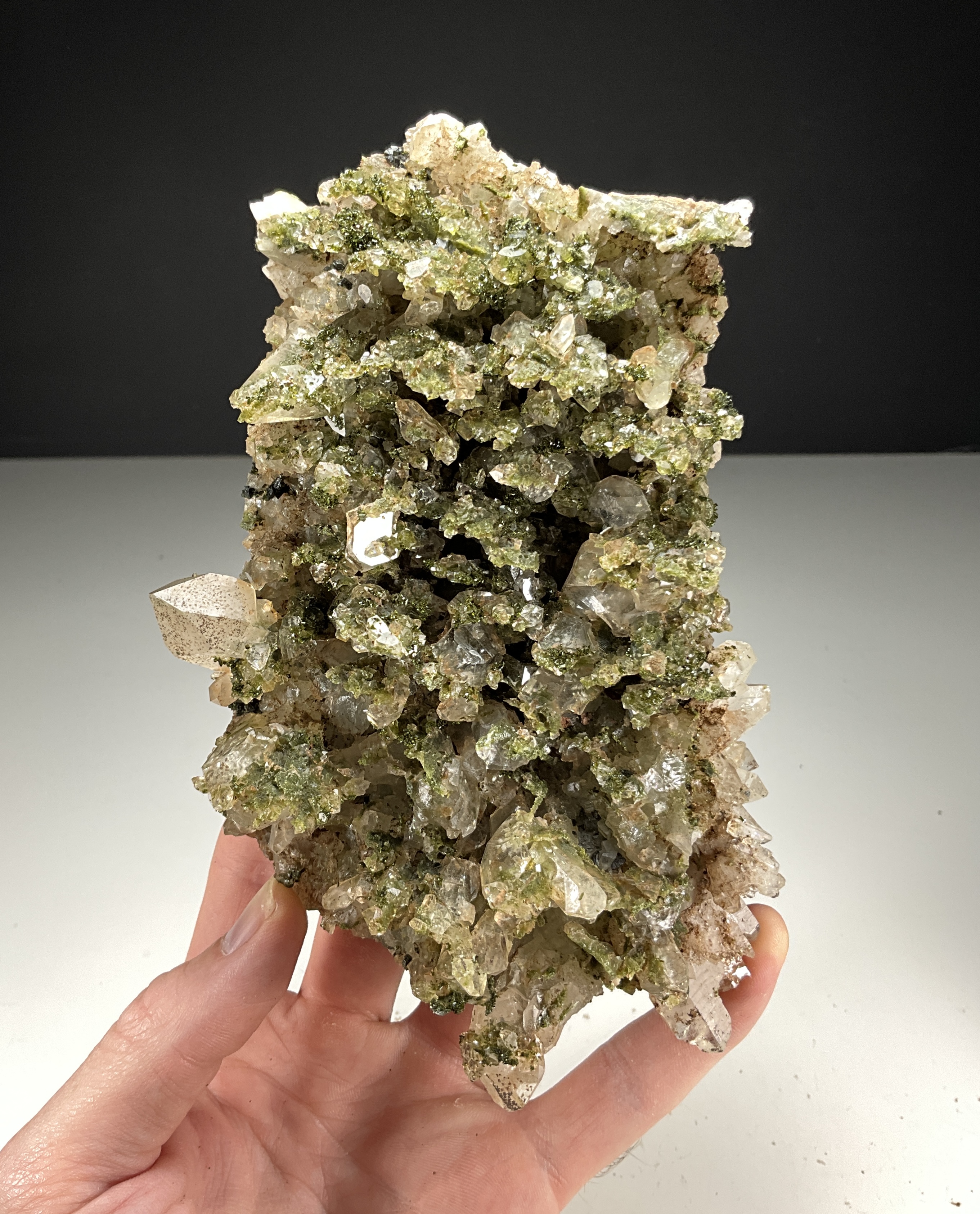
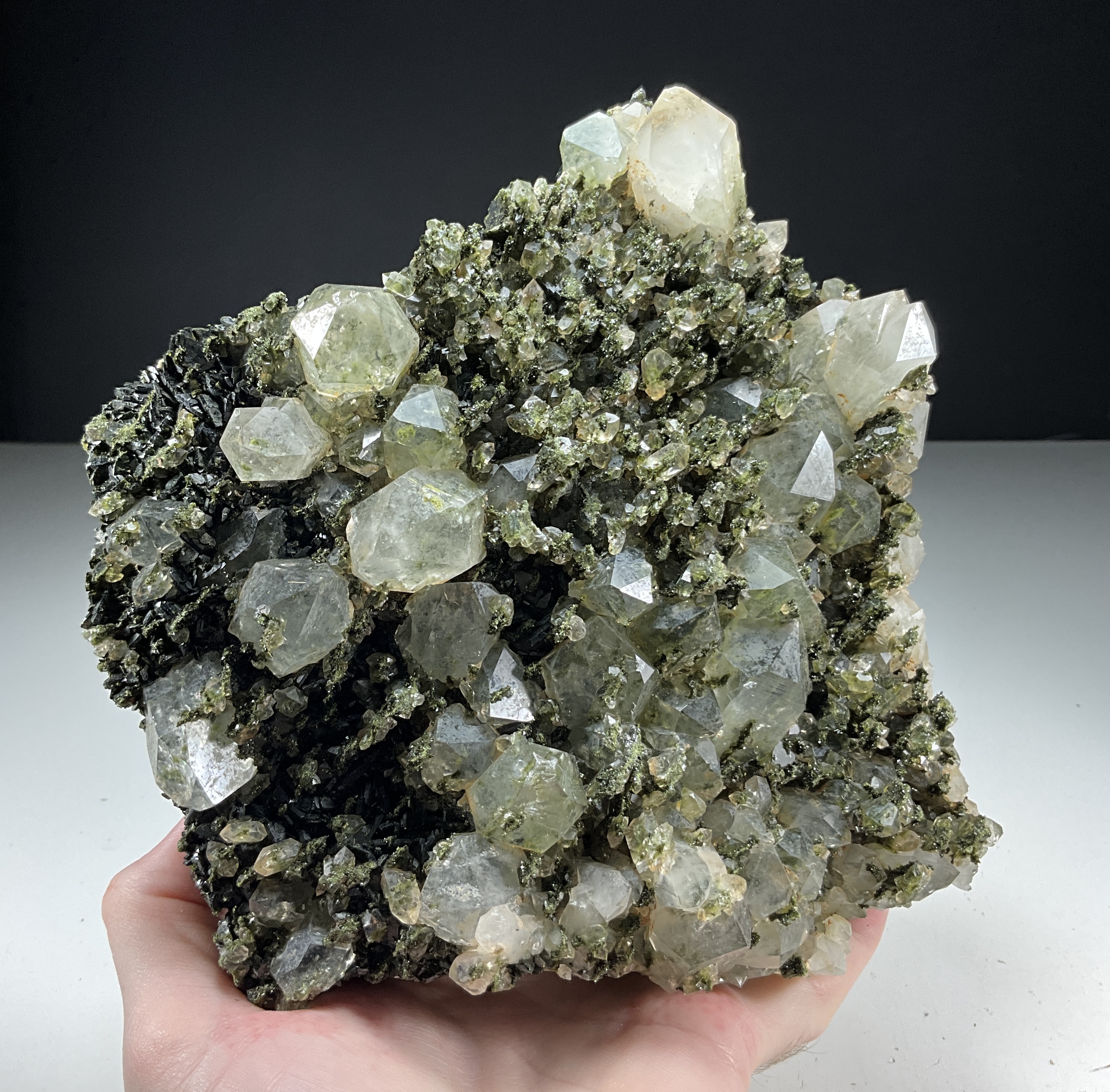
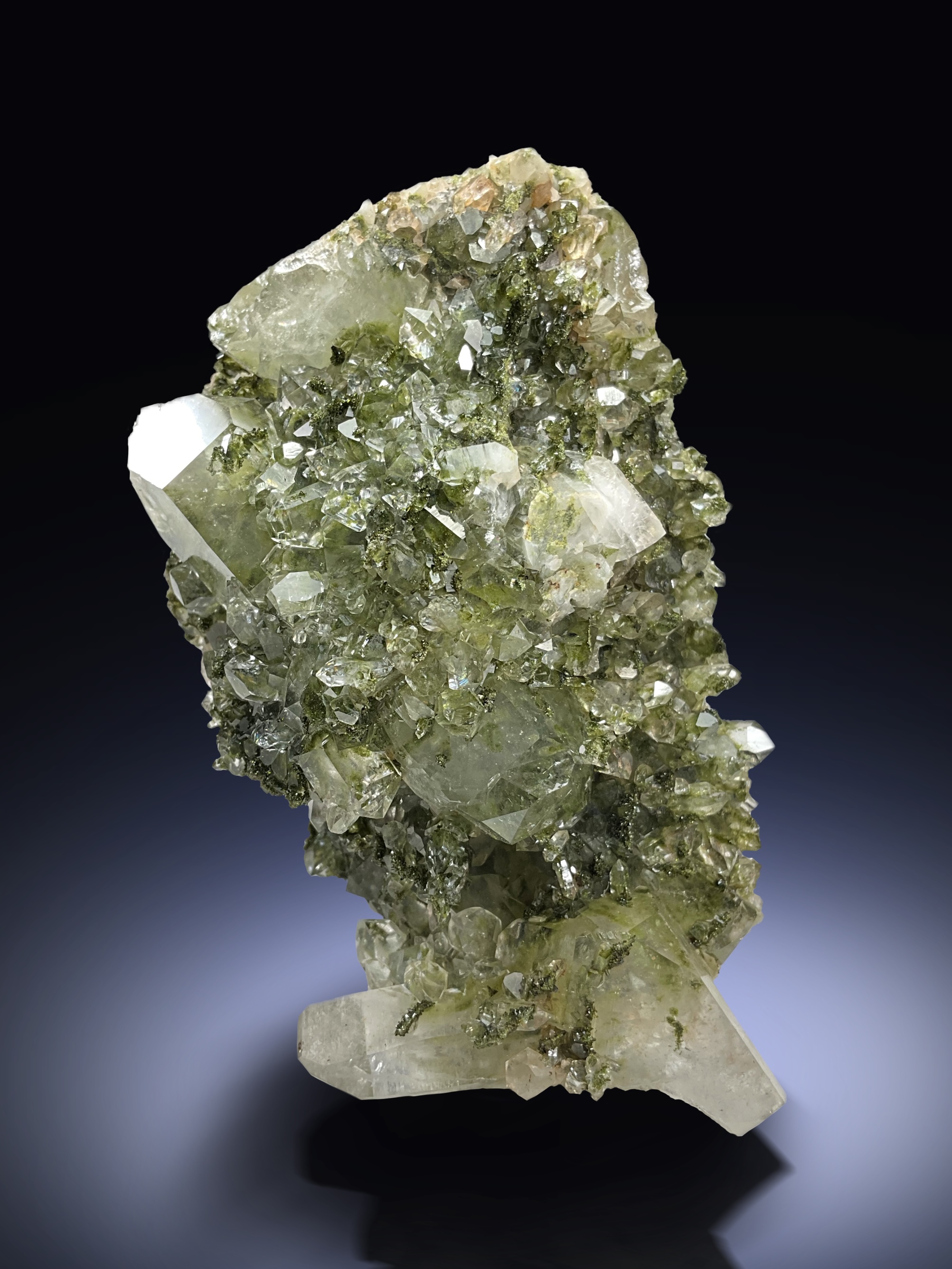
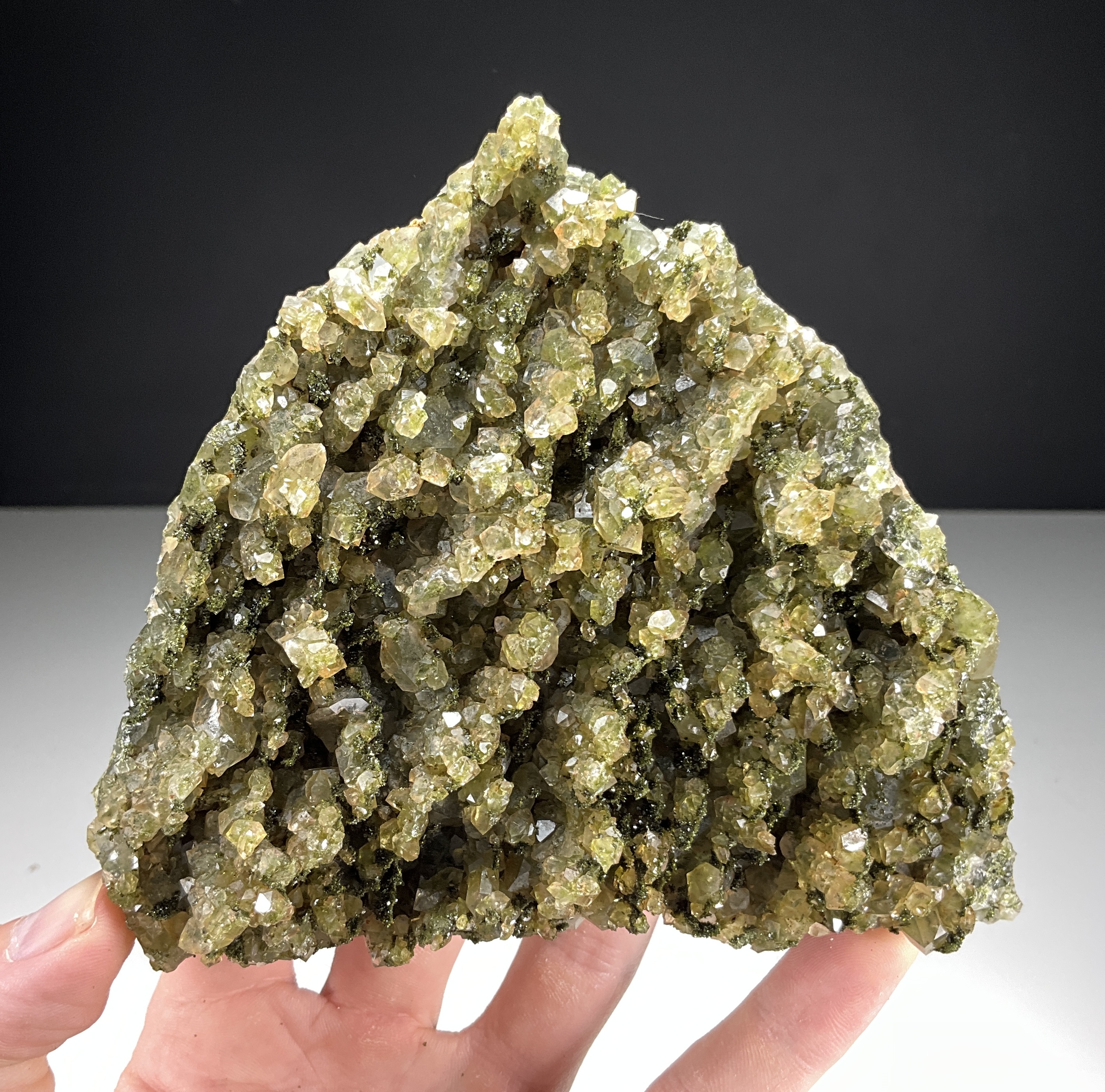
Quartz is one of the most abundant minerals on Earth and one of the most rewarding to collect. Found on every continent and in nearly every geological environment, quartz forms spectacular crystals that range from water-clear points to smoky brown clusters, from massive milky veins to delicate scepter-tipped wands.
Properties
| Property | Detail |
|---|---|
| Chemical Formula | SiO₂ |
| Crystal System | Trigonal |
| Mohs Hardness | 7 |
| Luster | Vitreous (glassy) |
| Streak | White |
| Colors | Colorless, white, gray, pink, brown, black |
Common Varieties
- Rock Crystal – Colorless, transparent quartz. Prized for clarity and well-formed terminations.
- Smoky Quartz – Brown to black, colored by natural irradiation of aluminum impurities.
- Rose Quartz – Pale to deep pink, colored by trace amounts of titanium or iron. Usually massive, rarely crystallized.
- Milky Quartz – White and opaque from fluid inclusions. Common but great for showing crystal habit.
- Citrine – Yellow to orange, colored by oxidized iron. Natural citrine is rarer than heat-treated material.
- Amethyst – Purple quartz, one of the most popular gemstones in the world.
Where It's Found
Quartz is found worldwide. Some of the most celebrated localities include:
- Brazil – Produces enormous quantities of rock crystal, smoky quartz, and specialty forms like Elestial and Lemurian points.
- Arkansas, USA – The Ouachita Mountains yield some of the finest, most transparent rock crystals available, particularly from the Hot Springs and Mount Ida areas.
- Madagascar – Known for gem-quality clear crystals and interesting secondary mineralogy.
- Alps, Switzerland & Austria – Classic "Alpine" rock crystal from high-elevation veins has been mined for centuries. Specimens often feature pristine floater clusters.
- China – An increasingly important source of quartz crystals, including smoky and clear points.
- Morocco – Produces attractive smoky quartz points and clusters.
Collecting Tips
- Look at terminations carefully. A clean, undamaged termination dramatically increases a specimen's value and display potential. Even a small chip on the tip can reduce desirability.
- Natural vs. heat-treated. Amethyst is sometimes heat-treated to create citrine. Ask the seller if this is relevant to you.
- Matrix specimens – Crystals still attached to their host rock often command a premium because they display the mineral in its natural context.
- Phantoms and inclusions – Ghost crystals (phantoms), fluid inclusions, and chlorite coatings are prized by advanced collectors. They record the growth history of the crystal.
- Size matters, but so does quality. A small, gemmy, well-terminated crystal can be worth more than a much larger but damaged one.
Care & Storage
Quartz is hard (Mohs 7) and relatively durable, but crystals can still chip or scratch softer minerals they contact. Store specimens so they don't knock against each other. Clean with warm water and mild soap; avoid strong acids. Keep away from prolonged direct sunlight if you want to preserve color in smoky or amethyst varieties.
Browse Quartz Specimens
Mineral Kingdom carries a rotating selection of quartz specimens, from single-point Arkansas crystals to Brazilian clusters. View available quartz listings in our shop to find something for your collection.