Amethyst
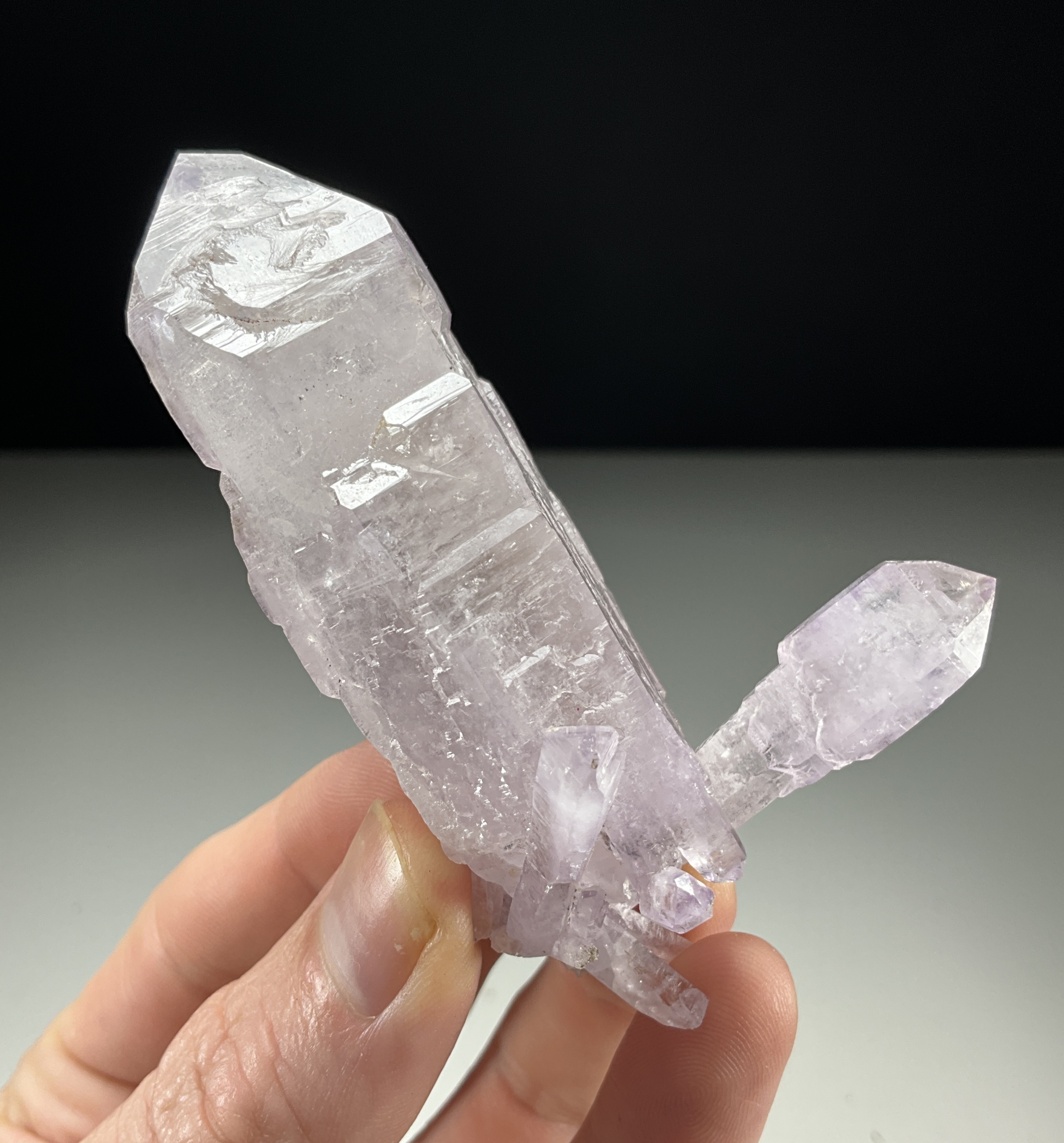
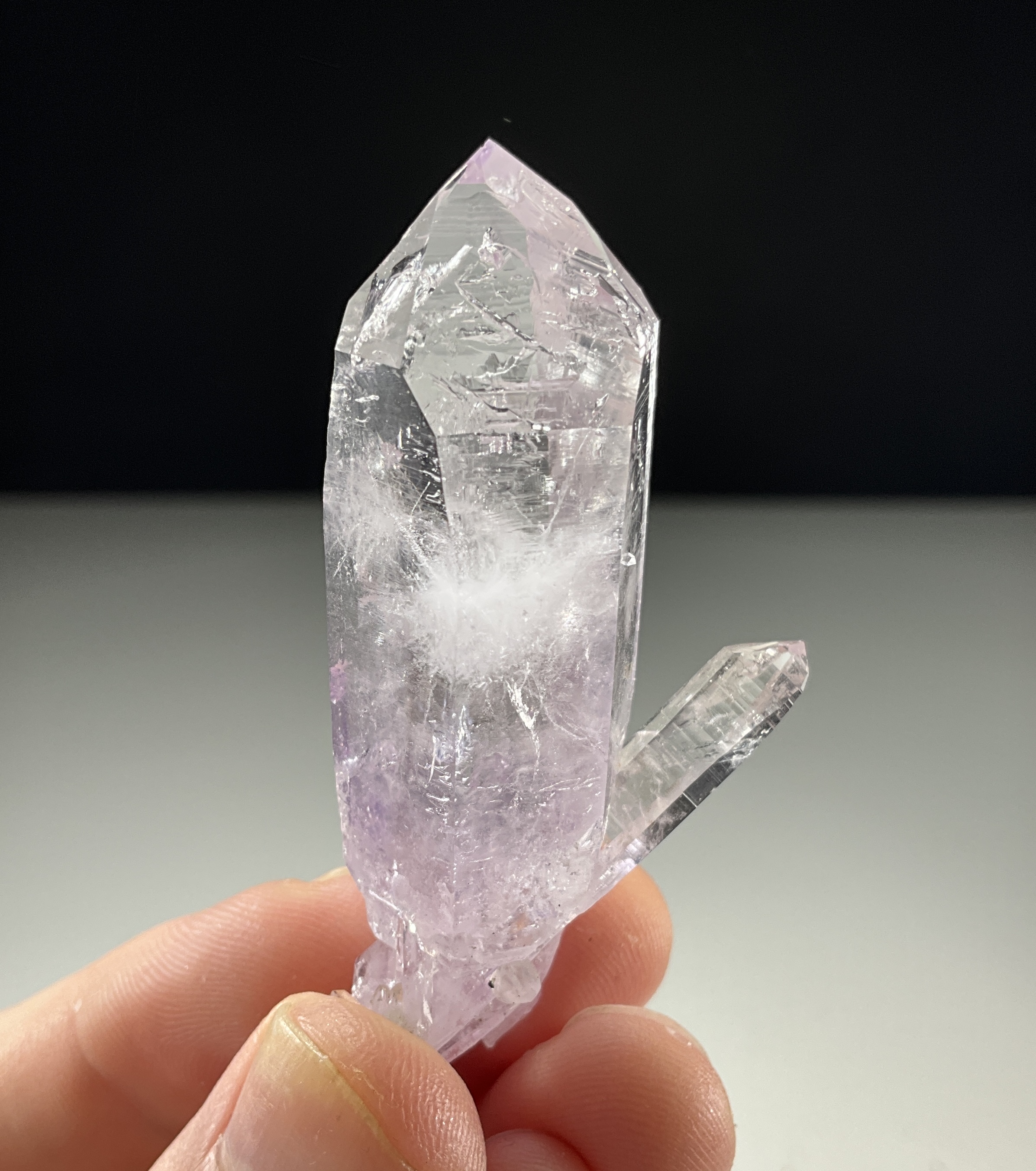
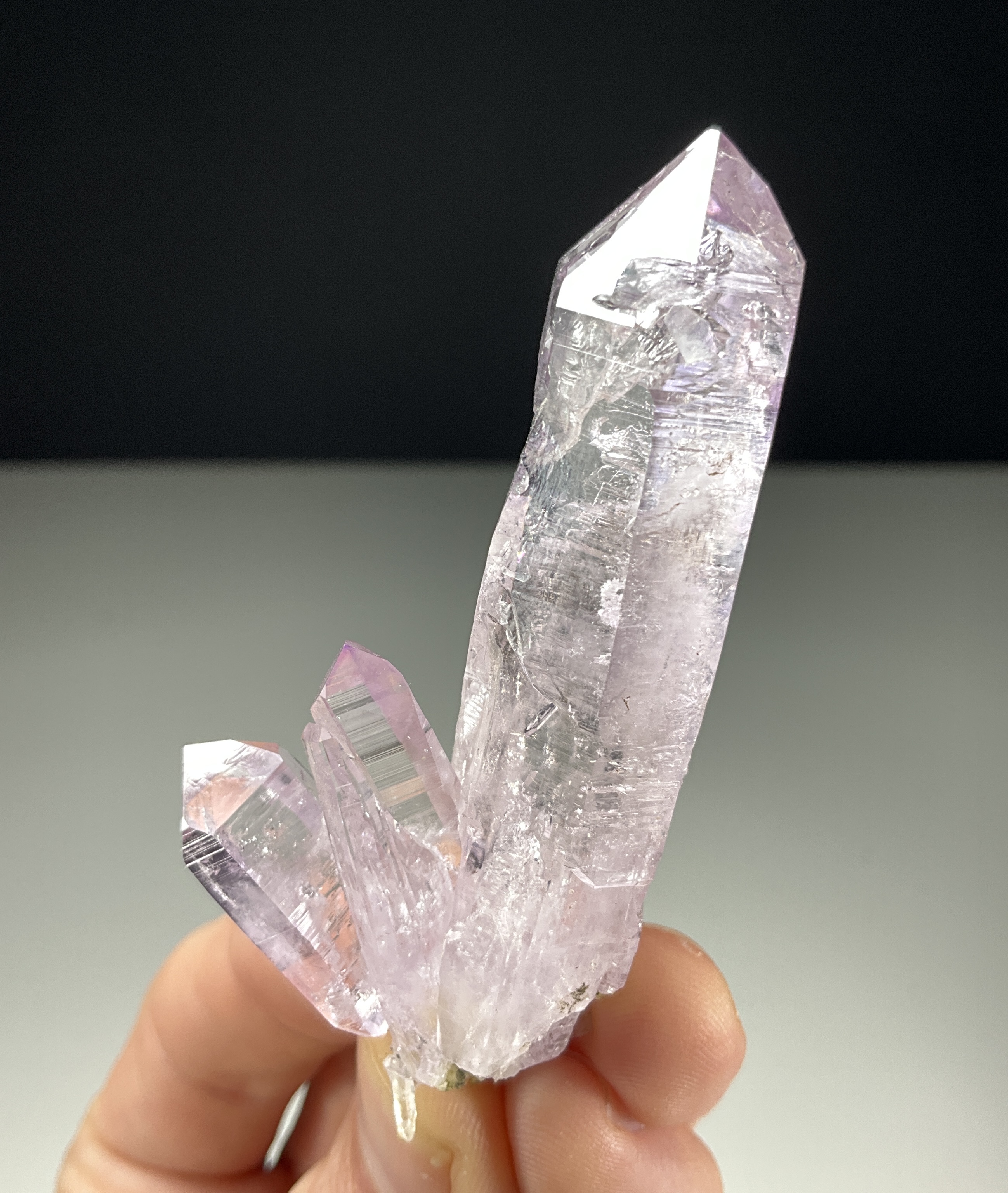
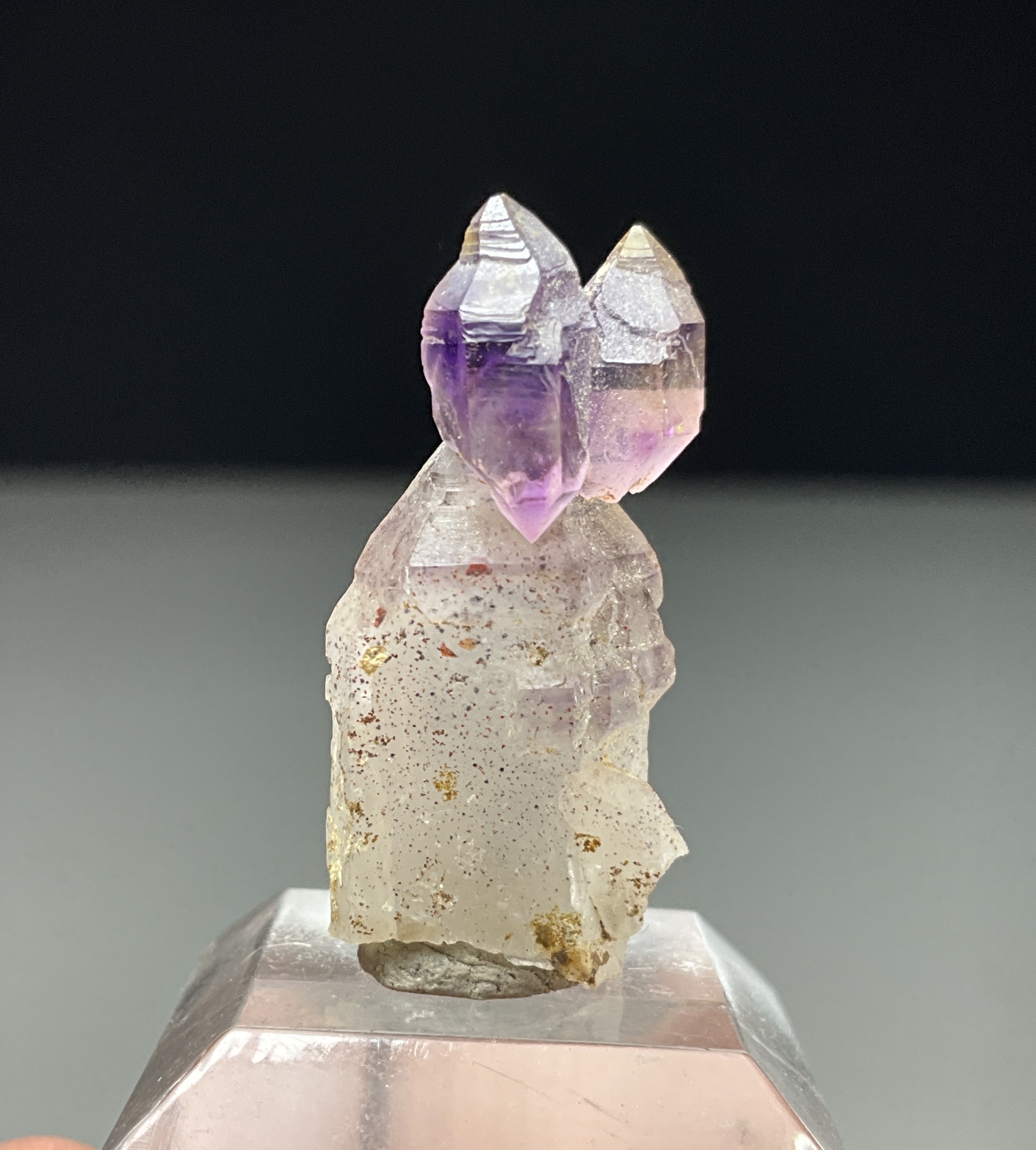
Amethyst is the purple variety of quartz and one of the most recognizable gemstones in the world. Its rich violet hues — from pale lilac to deep royal purple — have made it a prized stone across cultures and millennia, from ancient Egyptian amulets to European crown jewels. For mineral collectors, amethyst offers a compelling combination of beauty, availability, and crystal habit variety.
Properties
| Property | Detail |
|---|---|
| Chemical Formula | SiO₂ (Silicon Dioxide with Fe impurities) |
| Crystal System | Trigonal |
| Mohs Hardness | 7 |
| Luster | Vitreous (glassy) |
| Streak | White |
| Colors | Pale lilac to deep violet-purple |
What Causes the Purple Color?
Amethyst owes its purple color to iron (Fe⁴⁺) impurities in the quartz crystal lattice, combined with natural irradiation from surrounding rocks over geological time. The color can fade with prolonged exposure to strong sunlight or heat — which is how heat-treated citrine is commercially produced from amethyst.
Notable Localities
- Minas Gerais, Brazil – The world's largest producer of amethyst. Brazilian material ranges from pale lilac to deep purple, often from large geodes lined with well-terminated points. The Palmeira de Goiás and Iraí deposits are particularly noted.
- Uruguay – Uruguayan amethyst geodes are famous for their characteristically dark, saturated purple color and compact crystal habit. The Artigas department produces much of this material.
- Zambia, Africa – Zambian amethyst is known for exceptionally deep, almost reddish-violet color. Crystals tend to be smaller but more intensely colored than Brazilian material.
- Veracruz, Mexico – Produces short, prismatic amethyst crystals with a distinctive phantom and sometimes included with white calcite.
- Maissau, Austria – A European classic, yielding large single crystals of deep purple amethyst on rock crystal matrix.
- Thunder Bay, Ontario, Canada – Produces amethyst with distinctive red hematite inclusions at the base of crystals, giving a striking two-tone appearance.
Crystal Forms
- Scepter Amethyst – A larger amethyst crystal grown over a thinner quartz "handle." A prized and unusual form.
- Elestial Amethyst – Skeletal or hopper-faced crystals with complex surface textures.
- Geodes – Hollow volcanic nodules lined with amethyst crystals. Brazilian and Uruguayan geodes range from golf-ball size to cathedral-scale.
- Clusters – Groups of amethyst points on matrix, often from Brazil.
- Single Points – Well-terminated individual crystals, prized for clarity and color saturation.
Collecting Tips
- Color depth. The most sought-after amethyst is saturated, evenly colored, and shows no color zoning. Hold specimens up to light to check for pale patches or uneven color distribution.
- Termination quality. Sharp, undamaged terminations are important. Even minor chips significantly reduce a crystal's appeal.
- Natural vs. treated. Heat-treated amethyst turns yellow-orange (citrine). While treated material is widely sold as citrine, natural citrine from Madeira or Bahia is geologically distinct. Ask about treatment if it matters to you.
- Brazilian vs. Uruguayan. Brazilian material is generally lighter in color and larger in crystal size. Uruguayan material tends to be darker, smaller-crystalled, and more expensive per weight. Neither is inherently superior — it is a personal preference.
- Locality documentation. Amethyst with confirmed locality data (especially Zambia or Maissau) carries higher collector value.
Care & Storage
Amethyst has a Mohs hardness of 7, the same as all quartz, so it is durable in everyday handling. However, the purple color is sensitive to prolonged UV exposure — keep specimens out of direct sunlight to preserve color. Store away from fluorite, calcite, or other soft minerals that amethyst could scratch. Clean with warm water and mild soap; rinse thoroughly.
Browse Amethyst Specimens
Mineral Kingdom carries amethyst specimens from multiple localities and in a range of sizes. View available amethyst listings in our shop to find single points, clusters, or specialty forms for your collection.